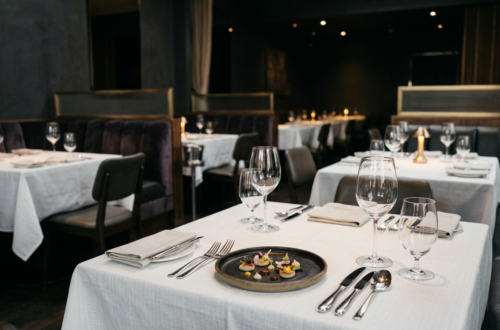
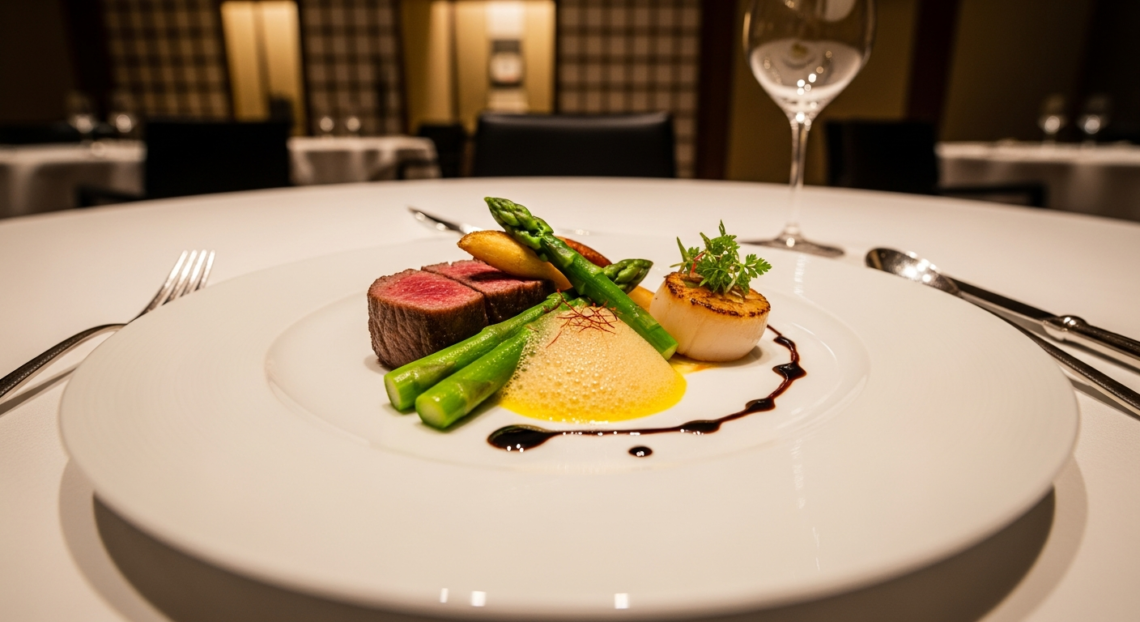
Tokyo isn’t just a culinary destination — it’s the undisputed fine dining capital of the world, holding more Michelin-starred restaurants than any other city on the planet. The Michelin Guide Tokyo 2026 features 526 total restaurants, including 160 starred establishments across the Greater Tokyo Area, making it an essential pilgrimage for any serious food lover.
Key Takeaways
- Tokyo holds the global record for the most Michelin-starred restaurants, surpassing Paris and New York combined.
- The Michelin Guide Tokyo 2026 added 18 new starred restaurants, including one new three-star addition, Myojaku.
- Dining costs range from approximately $67 to $800+ USD per person, with lunch menus often offering three-star quality at half the dinner price.
- Tokyo’s 13 Green Star restaurants recognize outstanding commitment to sustainable gastronomy alongside exceptional food.
- Book three-star restaurants 2–6 months in advance using tablecheck.com, Omakase, or your hotel concierge.
Tokyo: The Undisputed Michelin Capital of the World
Let’s put this into perspective. According to the Michelin Guide, Tokyo surpasses both Paris and New York combined for total Michelin-starred restaurants. That’s an extraordinary achievement for a single city, and it tells you everything you need to know about the depth and diversity of Tokyo’s food scene.
The Michelin Guide Tokyo 2026, announced on September 25, 2025, confirmed 526 total restaurants across the Greater Tokyo Area. Here’s how the star breakdown looks:
| Category | Total | New/Promoted |
|---|---|---|
| Three Stars | 12 | 1 new |
| Two Stars | 26 | 3 promoted |
| One Star | 122 | 14 new |
| Green Star | 13 | 1 new |
The Michelin star system carries enormous prestige. A single star means “a very good restaurant,” two stars signal “excellent cooking worth a detour,” and three stars represent “exceptional cuisine worth a special journey.” That third star is the pinnacle — and Tokyo has twelve of them.
Dinner prices across starred restaurants range from approximately $67 to $667+ USD (based on a conversion rate of 1 USD ≈ 150 JPY). For those planning their first Tokyo Michelin dining experience, the range of price points makes this scene more accessible than many people assume.
Tokyo’s Twelve Three-Michelin-Star Restaurants: The Pinnacle of Global Fine Dining
Tokyo’s twelve three-star restaurants represent the very best the culinary world has to offer. These are the tables that food lovers plan entire trips around, and rightly so. Most dinners here range from $500 to $800 USD per person, but for many guests, it’s a once-in-a-lifetime experience worth every cent.
The most exciting addition in 2026 is Myojaku in Minato, the sole new three-star restaurant this year. It offers innovative Japanese kaiseki in an intimate setting, a debut achievement that signals just how dynamic Tokyo’s dining scene continues to be. Compare that debut to the remarkable consistency of Japanese Cuisine Ryugin in Hibiya, which has held three stars for 15 consecutive years — that kind of longevity speaks volumes.
Here’s a look at all twelve three-star restaurants and what makes each one special:
- Myojaku (Minato, Japanese) — the exciting new 2026 three-star addition offering innovative kaiseki
- Gastronomy “Joël Robuchon” (Ebisu, French) — 19 consecutive starred years; dinner ~$667 USD, lunch ~$333 USD
- Kanda (Roppongi, Japanese) — an incredible 19 consecutive years at the top
- Quintessence (Kita-Shinagawa, French) — another 19-year stalwart of the guide
- Kagurazaka Ishikawa (Iidabashi, Japanese) — 18 years of three-star excellence
- Japanese Cuisine Ryugin (Hibiya, Japanese) — 15 consecutive years of three-star recognition
- L’OSIER (Shinbashi, French) — 8 years at three-star level
- Azabu Kadowaki (Azabu Juban, Japanese) — 7 consecutive years
- Sazenka (Hiroo, Chinese) — 6 years, a remarkable achievement for Chinese cuisine in Tokyo
- L’Effervescence (Omotesando, French) — 6 consecutive years
- Harutaka (Ginza, Sushi) — 3 years of three-star sushi perfection
- SÉZANNE (Tokyo, French) — 2 years at the top tier
For reservations at these exceptional restaurants, I’d strongly recommend booking one to three months ahead using tablecheck.com or through your hotel concierge. Don’t leave this to chance — tables disappear fast. If you’re staying in the Roppongi area, The Ritz-Carlton Tokyo (around $600 per night) is an ideal base, placing you close to Kanda and within easy reach of several other three-star venues.
The Best Two-Star and Exciting New One-Star Restaurants to Know in 2026
Not everyone can — or wants to — spend $800 on a single dinner. That’s where Tokyo’s two-star and one-star restaurants shine. They deliver extraordinary food at a more approachable price point, and the 2026 additions are genuinely thrilling.
Three restaurants earned promotion to two-star status this year. Here are the standouts among the 26 total two-star restaurants:
- Nishiazabu Sushi Shin (Nishiazabu, Sushi) — newly promoted in 2026; omakase runs ~$200–$300 USD, featuring Kumamoto-sourced seafood and beautifully balanced vinegared rice
- Hakuun (Japanese) — newly promoted to two stars in 2026
- Ensui (Nakameguro, Japanese & Washoku) — another exciting new two-star promotion this year
- NARISAWA (Aoyama Itchome, Innovative Fusion) — a consistent highlight of Tokyo’s fine dining scene
- Den (Gaienmae, Japanese) — beloved for its creative, approachable take on Japanese cuisine
- Kutan (Shin-Tomicho, Japanese) — excellent value at ~$167 USD dinner, ~$100 USD lunch; closed Tuesday–Wednesday
- ESqUISSE (Ginza, French) — refined French technique in the heart of Tokyo’s luxury shopping district
The 14 new one-star restaurants for 2026 are equally exciting. Several break entirely new ground for Tokyo’s dining landscape. Here are the ones I’d put at the top of your list:
- Hyakuyaku by Tokuyamazushi (Japanese) — fermentation-driven kaiseki featuring Ōmi funazushi and winter bear hotpot; a striking contrast to traditional sushi (~$150–$250 USD)
- Sushi Tanaka (Sushi) — a rice-centric omakase using Kumamoto-sourced ingredients where, as the Michelin Guide notes, “each piece balances sea and land flavors”
- KHAO (Thai) — Tokyo’s first Thai restaurant to receive a Michelin star, a genuinely historic moment
- EWIG (Austrian) — rare European regional cuisine earning well-deserved Tokyo recognition
- KIBUN, Sushi Yuki, Sushi Miura, Sushi Oya, Takumi Tatsuhiro, Sassa, MANOIR, Akasaka Shimabukuro, mærge, and La Gloire round out the new one-star class
The value proposition here is hard to ignore. New one-star spots offer exceptional dining at $100–$250 USD versus $500–$800 USD at three-star venues. If your budget is limited but your appetite for great food isn’t, this tier is your sweet spot.
A few practical tips for making the most of this tier: use a Suica card for efficient subway travel between districts, dine mid-week to avoid weekend crowds, and at sushi counters, engage with the chef directly — that interaction is central to the omakase experience. For accommodation, the Park Hotel Tokyo in Shiodome (around $250 per night) puts you near Ginza’s two-star scene, while the Andaz Tokyo at Toranomon Hills (around $400 per night) is ideal for exploring the new one-star restaurants.
Tokyo’s Michelin Green Stars: Where Sustainability Meets Exceptional Cuisine
The Michelin Green Star is a different kind of recognition. It doesn’t measure star power in the traditional sense — it honors restaurants making a genuine commitment to sustainable gastronomy. Tokyo has 13 of them, and they’re worth seeking out for reasons that go beyond the plate.
The newest addition for 2026 is TROIS VISAGES in Tsukiji, a French restaurant that uses seasonal, low-waste ingredients sourced responsibly. Dinner runs around $120 USD and lunch is approximately $50 USD — outstanding value for this caliber of cooking. It’s open Tuesday through Saturday for dinner, with Saturday lunch service too.
Other Green Star holders worth knowing include:
- NARISAWA (Aoyama-itchome, Innovative) — impressively holds both two Michelin stars and a Green Star
- Den (Gaienmae, Japanese) — another dual star-and-green-star achiever
- Florilege (Gaienmae, French) — dinner ~$200 USD, lunch ~$100 USD
- FARO (Ginza, Italian) — around $200 USD, bringing Italian sustainability to Tokyo
- Crony (Azabu Juban, French) — dinner ~$133 USD; open weekdays, Saturdays, and holidays
- nôl (Bakurocho, French) — an accessible ~$100 USD dinner price point
- Shojin Cuisine Daigo, sincere, and Noeud.TOKYO — each with their own compelling sustainable story
I love the idea of pairing a meal at TROIS VISAGES with an early morning visit to the nearby Tsukiji Outer Market. You’ll see where Tokyo’s finest ingredients begin their journey before experiencing how a skilled kitchen transforms them into something extraordinary. It’s a complete Tokyo food immersion in a single day. For central access to multiple Green Star venues, the H nondescript hotel in Ginza (around $300 per night) is a smart choice. If you’re passionate about sustainable dining globally, you might also enjoy exploring farm-to-table luxury dining experiences beyond Tokyo.
How to Plan and Book Your Tokyo Michelin Dining Experience
Planning a Michelin dining trip to Tokyo requires some preparation, but it’s absolutely manageable if you know the key steps. The earlier you start, the better your chances of securing the tables you want.
Here’s a realistic budget framework to work with:
- Three-star restaurants — $500–$800+ USD per person for dinner; lunch menus often offer similar quality at roughly half the price
- Two-star restaurants — $150–$350 USD per person depending on the venue and menu
- One-star restaurants — $100–$250 USD per person, often exceptional value
For reservations, here’s what I’d recommend:
- Book two to six months ahead for three-star restaurants — this isn’t an exaggeration
- Use tablecheck.com, Omakase, or your hotel concierge to secure bookings
- Arrive at least 15 minutes early — late arrivals may forfeit their reservation entirely
- Dress smart-casual and refrain from photography at sushi counters unless invited by the chef
- Use Google Translate to navigate Japanese-only menus with confidence
Getting around Tokyo between dining districts is straightforward. The JR Pass covers multi-district dining hops efficiently. Uber taxis average around $20 USD per ride between neighborhoods like Ginza, Roppongi, and Ebisu — perfect for post-dinner travel. A Suica card handles the subway with ease.
If you’re planning a single showcase day, here’s a suggested Michelin itinerary I think works beautifully: start with lunch in Ginza at a one- or two-star restaurant (~$100–$150 USD), spend the afternoon wandering Tsukiji market, then head to Roppongi for a three-star dinner experience (~$500–$800 USD). For the most central hotel base, the Mandarin Oriental Tokyo in Nihonbashi (around $700 per night) offers convenient access to multiple dining districts. If you enjoy comparing luxury dining destinations globally, it’s worth seeing how Dubai’s fine dining scene stacks up as another world-class culinary destination.
Tokyo’s Michelin dining scene is unlike anything else on earth. Whether you’re splurging on a legendary three-star dinner or discovering a boundary-pushing new one-star, every meal here tells a story of craft, dedication, and passion. Start planning early, stay curious, and let Tokyo’s extraordinary food culture do the rest.
*This article was thoughtfully created with help from Perplexity and Claude for research and drafting then carefully reviewed and edited by a person to ensure it’s accurate and helpful. Some links are affiliate links, which means we may earn a small commission—at no extra cost to you—if you choose to make a purchase.*
Sources:
Savor Japan — Michelin Guide Tokyo 2026 Revealed — 18 New Starred Restaurants
Michelin — The MICHELIN Guide Tokyo 2026
Michelin Guide — Michelin Guide Tokyo 2026 Stars Reveal
Wikipedia — List of Michelin-Starred Restaurants in Tokyo
Star Wine List — The Wine Guide to Michelin Star Restaurants in Tokyo 2026
Michelin Guide — Michelin Guide Tokyo 2026 Bib Gourmand