
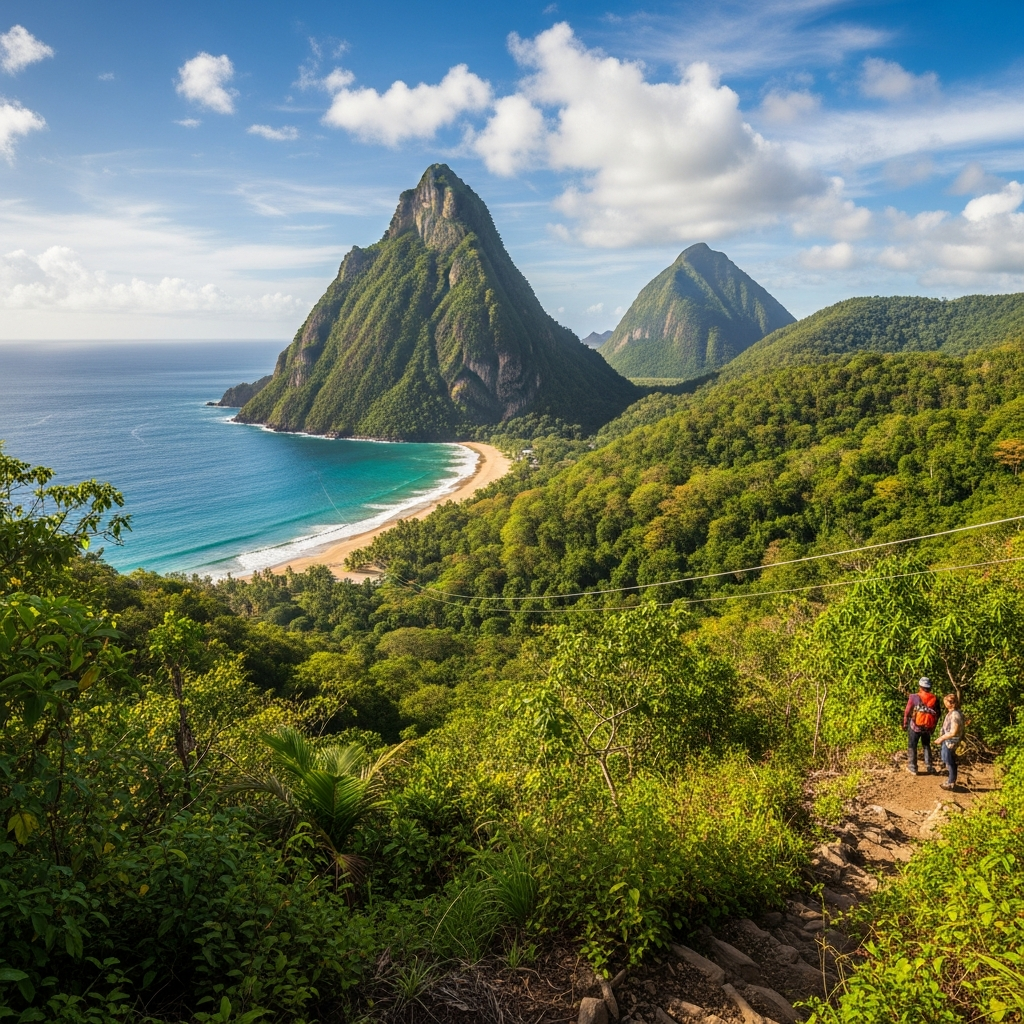
Saint Lucia stands poised to deliver its most impressive adventure tourism season yet in 2026, with record-breaking cruise arrivals and expanded infrastructure creating unprecedented access to the island’s dramatic landscapes. Tourism experts have officially recognized this Caribbean gem as a hiking paradise, drawing thrill seekers and nature enthusiasts to its volcanic peaks, rainforest trails, and cascading waterfalls.
Key Takeaways
- Saint Lucia expects a 14% increase in passenger numbers for the 2025-2026 period, with over 47,000 cruise passengers arriving during peak weeks alone
- The iconic Gros Piton climb covers 3.2 miles with 2,619 feet elevation gain and requires 4-6 hours, while Petit Piton offers a more technical challenge for experienced hikers
- Infrastructure improvements at Port Castries and Soufrière now accommodate larger vessels and more frequent port calls, enhancing visitor accessibility
- Tourism receipts are projected to reach $123 million by 2028, demonstrating adventure tourism’s substantial economic impact on local communities
- December through May offers the best hiking conditions with sunnier, drier weather ideal for summit attempts and trail exploration
Why 2026 is Saint Lucia’s Defining Year for Adventure Travel
The numbers tell a compelling story about Saint Lucia’s emergence as a premier adventure tourism destination. During the week of January 18-25, 2026 alone, 23 cruise ships docked at the island’s ports, bringing over 47,000 cruise passengers ready to explore the island’s natural wonders. This surge represents just one snapshot of a broader trend that saw the 2024 cruise sector welcome 723,500 passengers, marking a 17.6% year-over-year increase.
Forecasts from the Tourism Authority of Saint Lucia predict a 14% increase in passenger numbers for the 2025-2026 period, cementing 2026 as a pivotal year for the island’s cruise sector. Such growth doesn’t happen by accident. Substantial investments in improving infrastructure have transformed the island’s capacity to handle this influx while maintaining the authentic experience that draws visitors in the first place.
Infrastructure improvements at Port Castries and Soufrière have enabled the island to accommodate larger vessels and more frequent port calls. These enhancements ensure that the record-breaking influx translates into smooth arrivals rather than overcrowded ports. The island’s mountainous landscapes, pristine beaches, and rich cultural heritage are now being showcased to global audiences on an unprecedented scale.
I’ve watched Caribbean destinations rise and fall in popularity, but Saint Lucia’s trajectory stands apart due to its strategic infrastructure investments. The improvements create unprecedented opportunities for visitors to experience the island’s adventure offerings without compromising the natural environments that make these experiences worthwhile. Port capacity expansions mean more adventurers can access the trails, peaks, and natural attractions that define Saint Lucia’s adventure portfolio.
The Iconic Piton Climbs: Gros Piton and Petit Piton
The twin volcanic peaks dominating Saint Lucia’s southwestern coastline represent the island’s most challenging and rewarding adventures. Gros Piton, the slightly larger of the two, offers a moderately difficult climb that tests physical limits while remaining accessible to determined hikers with average fitness levels.
Gros Piton’s statistics paint a clear picture of what awaits: a round-trip distance of 3.2 miles (6.5 km) with an elevation gain of 2,619 feet (798 meters). Most hikers complete the journey in 4-6 hours, spending approximately 2 hours ascending and 2 hours descending. The difficulty rating sits at 8 out of 10, reflecting the substantial physical demands despite the trail’s moderate classification.
The hike breaks down into four distinct sections, each with designated rest areas at quarter-way points. I recommend taking full advantage of these spots to hydrate, adjust gear, and assess your energy levels. The first half presents moderate challenges with steep sections featuring roots, rocks, and large steps. Primitive hand railings provide assistance on the steepest stretches.
The second half becomes significantly more difficult as the trail steepens and deteriorates. Terrain conditions change dramatically, requiring careful foot placement and sustained effort. Many hikers find the descent harder than the ascent, especially if conditions turn wet. The trail surface becomes slippery when moisture is present, demanding extra caution on the way down.
Petit Piton presents an entirely different challenge. This 2-mile round-trip climb covers less horizontal distance but packs considerably more technical difficulty into its 2,425-foot (739-meter) elevation gain. The duration of 3-4 hours reflects the slower pace required for safe navigation of its demanding terrain. This climb earns its “Very Difficult” rating through nearly continuous vertical ascent.
Rock scrambles and narrow passages between large boulders characterize much of Petit Piton’s route. Unmarked sections require route-finding skills that only experienced hikers possess. I don’t recommend this climb for anyone without substantial hiking experience, regardless of current fitness levels. The technical demands exceed what fitness alone can overcome.
Both climbs require official park guides at approximately $50 plus tip. This isn’t merely a revenue-generating requirement—guides provide essential safety oversight, route knowledge, and environmental interpretation that enhances the experience. Required equipment includes sturdy hiking shoes, abundant water supplies, lightweight breathable clothing, a raincoat, and sun protection.
December through May offers the best hiking conditions when weather patterns typically bring sunnier, drier days. Attempting these climbs during wetter months increases difficulty substantially and introduces additional safety concerns. I’ve witnessed too many unprepared hikers struggle with wet conditions to recommend ignoring this seasonal guidance.
Hiking Trails for Every Fitness Level
Saint Lucia’s reputation as a hiking paradise extends well beyond the famous Pitons. The island offers a progression of trails that allow adventurers to build experience and fitness gradually while exploring diverse ecosystems and landscapes.
Easy trails provide excellent entry points for families and casual hikers. These accessible options include:
- Tet Paul Nature Trail: 0.75 miles (1.2 km) with 138 feet (42 meters) elevation gain, completing in 30-45 minutes with Easy difficulty
- Union Nature Trail: Suitable for most fitness levels with minimal time commitment of 30-45 minutes
- Pigeon Island National Park Trails: Multiple routes accessible to most visitors
The Tet Paul and Union trails represent starter options that require minimal time commitment while delivering impressive views and introductions to the island’s flora. I often recommend these for visitors arriving on cruise ships with limited shore time or those wanting to assess their fitness before attempting more demanding routes.
Moderate trails bridge the gap between casual walks and serious summit attempts. Mt Pimard Hike covers 1.62 miles (2.6 km) with a 561-foot elevation gain over approximately 2 hours total duration. The $10 entrance fee provides access to trails combining accessibility with moderate challenge, making it ideal for hikers ready to progress beyond basic routes.
Enbas Saut Falls Trail offers a 2.5-mile round trip through rainforest to a waterfall destination. Classified as Moderate difficulty with some steep sections, this trail appeals to those seeking rainforest biodiversity and waterfall experiences without extreme physical demands. The combination of ecological richness and scenic payoff makes it one of my favorite recommendations for intermediate hikers.
Edmund Forest Reserve provides additional moderate options with trails showcasing the island’s unique flora and fauna. The reserve’s rich biodiversity includes plant species found nowhere else, creating educational opportunities alongside physical challenges.
Difficult trails culminate with Gros Piton Nature Trail’s 3.2-mile round trip requiring 4-5 hours at Moderate to Difficult intensity. This progression from easy trails to Piton climbs allows adventurers to build both technical skills and cardiovascular fitness systematically. I’ve seen countless visitors successfully summit Gros Piton after warming up on moderate trails earlier in their trips.
The variety ensures that Saint Lucia delivers appropriate challenges whether you’re seeking a gentle morning walk or a full-day mountaineering-style adventure. This range contributes significantly to the island’s designation as a hiking paradise by tourism experts, as visitors can customize their experiences based on ability, interest, and available time.
Saint Lucia’s Post-Pandemic Tourism Resurgence
The adventure tourism boom occurs against a backdrop of impressive overall tourism recovery. In 2024, Saint Lucia welcomed approximately 435,959 overnight visitors, marking a 14% increase over 2023. More significantly, 2024 arrivals surpassed the pre-COVID high of 2019 by roughly 3%, demonstrating that the island hasn’t just recovered but actively expanded its appeal.
Projections paint an even brighter picture. Tourist arrivals are expected to reach approximately 1.43 million by 2028, up from around 1.29 million in 2023. This represents an average annual growth rate of 1.6%, consistent with the island’s long-term trajectory. Since 2000, Saint Lucia has experienced a 2.1% year-on-year increase in tourist demand, establishing a pattern of steady, sustainable growth.
Recognition from travel industry authorities reinforces this momentum. Saint Lucia ranked first for Best Honeymoon Destinations in the World for 2026 for the third consecutive year. This accolade demonstrates the island’s appeal across different traveler demographics—adventure seekers share the island with romance travelers, creating a diverse visitor base that supports various tourism sectors.
Cruise arrivals tell their own success story with an 18% increase in 2024 compared to 2023. Major events drove double-digit increases throughout the year, including the Saint Lucia Jazz & Arts Festival and ICC World Cup Cricket matches. These events generated a 27% jump in August arrivals and a 42% surge in June compared to 2023, proving that cultural and sporting events complement natural attractions effectively.
I’ve covered Caribbean tourism for years, and Saint Lucia stands out as one of the region’s most dynamic recovery stories. The combination of natural assets, strategic marketing, infrastructure investment, and event programming creates a compelling package that attracts visitors across multiple segments. Adventure tourism benefits from this broader success as increased overall arrivals mean more potential participants for hiking, climbing, and nature-based activities.
How Adventure Tourism Powers Local Economies
The economic impact of adventure tourism extends far beyond entrance fees and guide payments. Over 47,000 cruise passengers exploring the island during peak periods create a ripple effect across multiple economic sectors that directly supports local livelihoods.
Local sectors benefiting from adventure tourism include:
- Guided excursions and tour operations
- Hospitality services including restaurants and cafes
- Small artisan vendors selling crafts and souvenirs
- Transportation services connecting ports to trailheads
- Local dining establishments serving traditional cuisine
Tourism receipts are projected to reach approximately $123 million by 2028, up from $103 million in 2023. This represents a 2.8% average annual growth rate that translates into sustained revenue increases for businesses throughout the tourism value chain. Adventure tourism contributes substantially to these figures as hiking expeditions, nature tours, and outdoor activities command premium pricing.
The Tourism Authority of Saint Lucia recognizes cruise tourism’s critical role in boosting the island’s economic and cultural fabric. Record-breaking periods translate to increased foot traffic for local vendors positioned near popular attractions and trailheads. Tour guides see higher demand for their services, requiring the training and employment of additional guides to meet capacity needs.
Hospitality establishments experience sustained revenue growth as adventure tourists typically require accommodations, meals, and related services. I’ve observed that luxury resorts in Saint Lucia increasingly market adventure packages that combine upscale accommodations with guided outdoor experiences, capturing both the comfort-seeking and adventure-seeking aspects of modern travel.
The Tourism Enhancement Fund channels voluntary visitor contributions into local sustainability initiatives. This mechanism ensures that tourism growth supports environmental protection and community development simultaneously. Adventure tourism’s reliance on pristine natural environments makes this sustainability focus particularly crucial for long-term viability.
Artisan vendors gain increased foot traffic as adventure tourists seek authentic local crafts to commemorate their experiences. Transportation providers benefit from the need to shuttle visitors between ports, accommodations, and trailheads. Local dining establishments serve as cultural ambassadors, introducing visitors to traditional Saint Lucian cuisine that complements outdoor adventures.
Preparing for Your Saint Lucia Adventure Experience
Successful adventure experiences in Saint Lucia require appropriate preparation matched to your chosen activities. Official guides are required for Piton climbs at approximately $50 plus tip, ensuring both safety oversight and environmental protection on these sensitive trails. I recommend booking guides through established operators rather than informal arrangements to guarantee qualified professionals.
The best hiking season runs from December to May when weather patterns typically bring sunnier, drier conditions. Attempting trails during this window substantially increases enjoyment while reducing safety risks associated with wet, slippery conditions. Rainy season adventures remain possible but require adjusted expectations and enhanced precautions.
Required equipment for challenging hikes includes:
- Sturdy hiking shoes with aggressive tread patterns
- Abundant water supplies (minimum 2-3 liters for Piton climbs)
- Lightweight, breathable clothing in moisture-wicking fabrics
- Raincoat or waterproof layer regardless of forecast
- Sun hat and high-SPF sunscreen
I can’t overemphasize the importance of proper footwear. Trail conditions on Saint Lucia’s volcanic terrain punish inadequate shoes, creating both discomfort and safety hazards. Investing in quality hiking boots before your trip prevents preventable problems that can derail adventure plans.
Visitors should select hikes based on honest fitness assessments rather than wishful thinking. Starting with easier trails allows you to gauge your capabilities in Saint Lucia’s tropical conditions before committing to demanding summit attempts. Building experience progressively increases success rates while reducing injury risks and disappointing outcomes.
Infrastructure improvements throughout the island ensure accessibility to major attractions. Substantial investments in roads, trailhead facilities, and support services mean that reaching adventure starting points is easier than ever. The Tourism Enhancement Fund supports local sustainability initiatives that maintain trail conditions and protect natural resources for future visitors.
The combination of all-inclusive Caribbean resorts with adventure tourism packages creates convenient options for travelers wanting both comfort and thrills. Many properties now offer adventure concierge services that handle booking, equipment provision, and transportation logistics, allowing you to focus on the experiences themselves.
2026 represents a pivotal year with record cruise arrivals creating unprecedented opportunities to experience Saint Lucia’s adventure offerings. Over 47,000 cruise passengers will explore the island during peak periods, but proper planning ensures you’ll avoid crowds by timing excursions strategically. Early morning starts beat both heat and crowds, maximizing enjoyment on popular trails.
Physical fitness requirements vary dramatically across Saint Lucia’s adventure spectrum. Easy trails require minimal conditioning while Piton climbs demand cardiovascular endurance and muscular strength. I recommend arriving a day or two before attempting major climbs to acclimate to tropical heat and humidity, as these environmental factors significantly impact performance for visitors from temperate climates.
Sources:
Travel and Tour World – Saint Lucia Cruise Surge Breaks Records With Over 47,000 Passengers in 2026
The Scribs and Nibs – Gros Piton Hike
Jax Fax – St Lucia Tourism Continues to Flourish Amid Major Brand Expansions
Another Rum Punch – St Lucia Hiking Trails
ReportLinker – Saint Lucia Tourism Industry
Hike Bike Travel – Gros Piton Hike
Snorkel and Hike – Hiking in St Lucia
U.S. News & World Report – U.S. News & World Report Ranks Saint Lucia Best Caribbean Destination
Wired for Adventure – Why Saint Lucia is One of the Best Adventure Travel Destinations for 2026
Balenbouche – The Best Hiking in St Lucia
Lahaute Resort – Hiking in St Lucia
Komoot – Walking in Saint Lucia
*This article was thoughtfully created with help from Perplexity and Claude for research and drafting then carefully reviewed and edited by a person to ensure it’s accurate and helpful. Some links are affiliate links, which means we may earn a small commission—at no extra cost to you—if you choose to make a purchase.*